Window tinting rewards careful preparation. A clean, well inspected, and accurately measured vehicle gives the film a fighting chance to bond, lay flat, and cure without surprises. Skipping prep adds hours on the back end. Dust trapped in a gasket, a nicked edge of glass, or an overlooked aftermarket defroster repair can turn a straightforward tint into a re-do. What follows reflects real shop rhythms, the habits that keep comebacks rare, and the small details that separate tidy installs from problem jobs.
Why preparation decides the finish
Film looks forgiving when it is fresh and wet, but imperfections show through like they were circled with a marker once the adhesive sets. Silicone dressing on door panels can drift onto the glass and fish-eye the glue line. Micro-scratches near the top edge can catch a blade and start a run. Even a single grain of grit under the sweep leaves a bubble that telegraphs every time you roll the window down. Good prep puts you ahead of these issues, not chasing them while the clock runs.
In the field, installers talk about dust as if it were alive. It is not just about clean glass, it is about managing contamination sources nearby: carpets, vents, compound residue from a recent paint correction, or lint from a wool hoodie. You do not need a sterile environment, but you do need a system.
The workspace matters as much as the glass
Glass prep starts before the scraper touches the window. Control the environment or the rest is a fight. Indoor bays help, but plenty of tint jobs happen curbside or in a client’s driveway. Either way, you want stable temperature and air that is not kicking debris into your wet film.
On a windy day, point the vehicle so the wind hits the back of the car, not the side with open doors. If you can, wet down the floor lightly with clean water to trap dust. Cover seats and door cards with lint-free towels. Turn off fans that move air across the glass surface. If the car just finished auto detailing, especially polishing the pillars, take an extra few minutes to vacuum pillars and blow out trim gaps where dust and compound hide.
Shops that also do ceramic coating and paint protection film learn quickly that cross-contamination is real. If a panel was just treated, expect slick overspray near beltlines and glass seals. Degreasing steps need to be thorough, otherwise the film’s adhesive will struggle to anchor near edges. Keep separate bottles, squeegees, and towels for tint work. Solvent residues from PPF adhesive removers do not mix well with tint adhesive.
Pre-wash the exterior, even for interior film
It sounds counterintuitive, since you work the inside first, but start with the exterior glass. Dirt on the outside migrates inward when you lower a window for edge access or heat-shrink film on the outside to pre-form it. A simple wash with a pH-neutral soap, followed by a clay pass on the glass if it feels rough, keeps sanding grit, road film, and pollen from landing inside when you open doors and cycle windows.
Avoid glass cleaners with ammonia if the car has aftermarket tint already. Ammonia can haze or damage older film. A diluted isopropyl alcohol mix or a high-quality, tint-safe glass cleaner works far better. Clean the exterior seals and wipe down A and B pillars if they are glossy piano black, because they shed tiny dust flecks that love wet film.
Inspect the glass with intent, not habit
Inspection is not a quick glance. It is a method. Lights off, lights on, and a flashlight at a low angle. You are looking for chips at the top edge of roll-down glass, especially on older sedans and trucks whose glass rides close to the sweep. Chips and micro-cracks can catch a razor during prep and propagate. Note them before you touch a tool. Document with a quick photo for your records.
Factory glass is never perfect. Expect tempering distortion near the curves, “seeds” inside the laminate on windshields, and waviness near frit bands. These are not your fault and will show through even the best film. Point them out to clients before you start. While you are there, look for aftermarket accessories on the rear glass. Conductive defroster repairs, embedded antennas, and LED third brake lights tucked tight to the glass change how you trim and squeegee.
At Advanced Detailing Sofla, a car detailing company in Pompano Beach, FL, we learned to examine the beltline sweeps with a gloved fingertip. If the rubber feels dry and chalky, it sheds. If it feels greasy, someone dressed it recently. Both conditions add contamination risk. We keep a set of dedicated sweep protectors for makes that are notorious for grit, like certain trucks and coupes with frameless doors. That five-minute check saves you from re-lifting edges to chase debris.
De-badge the dust: vents, sweeps, and seals
You cannot remove every dust source, but you can minimize them. Blow out HVAC vents using filtered air with low pressure to avoid blasting dust into the cabin. Then close the vents while you are working. Wipe headliners along the glass edge with a dry, lint-free towel. Treat cloth headliners gently, they bruise easily with moisture or aggressive rubbing.
Door seals matter. Use a mild cleaner on the rubber, rinse, and dry with clean towels. Slide a plastic card wrapped in a towel into the sweep to lift out grit, working from one end to the other. Do not pry hard against glass. If the car has a crumbly felt sweep, lay in a thin strip of low-tack masking tape just above the sweep to catch fibers during the install, and pull it right before final edge seating.
The glass cleaning stack that actually works
A lot of installers swear by fancy chemicals. I favor a simple, repeatable stack that never gums up. Start with a surfactant cleaner for fingerprints and smoke film. Follow with a razor-scrape on tempered glass, always flooded with solution to float debris. Keep the blade shallow and fresh. Avoid scrapers on aftermarket tinted glass or on any rear window with defroster lines you cannot fully see. On those, use a white non-scratch pad and a dedicated adhesive-safe cleaner.
After the initial cut, wipe edges with a folded towel wrapped tight over your finger. That finger pass picks up sludge that a squeegee misses along seals and up at the top where the blade can not reach. Final pass with a tint-safe glass cleaner or filtered water with a light alcohol mix to flash dry and verify that the surface is squeaky clean without residue. When your towel squeaks in a consistent, high pitch, the glass is ready. If it drags or chokes, there is leftover oil or soap on the pane.
Keep separate towels for interior plastics. If a towel touches a dressed door panel or a silicone-treated dash, retire it from glass duty. Cross-contamination is the most common source of weird fish-eye patterns in the adhesive.
Measuring without guessing
Accurate measurement is not about taping a rough rectangle and hoping a wide margin saves you. Glass shapes vary across trims and model years. Rain sensors, camera pods, and frit bands change usable footprints. A quick paper or film template saves time and waste, especially on quarter glass with tight radii or oddly shaped SUV cargo windows.
If you heat-shrink on the outside, use the exterior to map precise curves. I like to set the film with a light anchor in the center, shrink the major fingers, then mark edges with a fine-tip pencil. Transfer that pattern inside with a conservative offset, because the inner gasket tolerances differ from the outer edge. Always measure twice at the top of roll-down glass. That top line is what the customer looks at every day. A consistent, micro-beveled top edge about 1 to 2 millimeters below the top glass edge usually hides the adhesive and protects against peeling when the window cycles.
Some shops move fast with plotters and pre-cut kits. They are a huge time saver, but they are only as good as the software library and the car in front of you. We have seen door glass on the same model year with minor differences in sweep depth, especially on vehicles with mid-year updates. Even with a plotter, keep a long, flexible ruler and a wax pencil handy. Confirm the top edge, the rear quarter cutouts, and sensor clearances before you peel backing.
Protecting surfaces from slip solution and blades
Slip solution has a job to do on glass. It has no business soaking into a leather door panel or an Alcantara insert. Even a gentle soap mix can lift dye from delicate trims. Lay absorbent covers on the dash, sill, and cards. Microfiber is fine if it is low lint and clean. Blue shop towels trap grit and release lint, so keep them off the glass prep.
Be deliberate with blades. When you cut the top edge on roll-down glass, anchor your wrist on the glass to keep depth consistent. A deep cut into the sweep looks fine at first, then starts shedding material into the adhesive line. On rear glass, cut cautiously around defroster lines. If you have to separate old film from a line, use steam or warm water and a plastic tool before you think about a blade.
Dry shrinking, wet shrinking, and choosing your method
Most modern films shrink well with heat on the outside of the glass. Dry shrinking with a heat gun and a hard card is fast and leaves less residue than soapy water under the film. For tight domes on rear windows, temper your heat. Too much, and the film over-tightens then pulls fingers back as it cools. Work in small sections, read the film, and chase the big fingers first. Use a T-hinge or light tape anchors on the exterior to prevent drift as you shrink.
Wet shrinking still has a place on complex curves and with certain films that show micro-creases with dry methods. If you wet shrink, keep the glass squeaky clean and use a very mild solution to keep the film mobile without sliding wildly. Mark anchor points so you can return to center after chasing a stubborn finger.
Advanced Detailing Sofla keeps both methods in rotation. We test a small piece on the rear glass before committing, because film batches vary slightly. A dry-shrink film from one lot might behave better with a touch of moisture from another. Ten minutes of testing saves an hour of rework on a steeply curved hatch.
Managing contamination at the edges
Edges collect trouble. Dust hides under gaskets and felt. Oil wicks out of aging seals when warmed by your heat gun. To manage this, pre-clean the gasket gap with a wrapped plastic card and cleaner, then dry it thoroughly. A narrow, clean squeegee blade with a crisp edge is your friend. If your blade has a nick, that nick will leave a channel. Rotate blades often, and keep a small bottle of filtered water to rinse the blade between passes.
When you set the film, flood the glass, position the panel, then anchor lightly at the center with firm, straight strokes. Work out to the edges in even lanes, do not chase bubbles randomly. When you get within an inch of the top, pause. Wipe the edge again with a dedicated towel strip to pick up any last grit, then finish the top passes. A soft, cloth-wrapped card along the top edge presses adhesive without marring the film.
One trick that reduces fiber fallout on frameless doors: crack the door open slightly so the seal relaxes, then set the top edge. If the seal squeezes hard against the glass during your final passes, it can shed fibers that migrate under the edge as you squeegee.
When old tint has to go first
Removal can be a job on its own. Purple, brittle film comes off in postage stamps. Strong, metallized layers may cling to defroster lines. Steam softens adhesive without bathing the interior. A portable steamer aimed at the glass from the outside, with the rear window warmed gently from the inside, loosens the bond after a few minutes. Peel steadily, keeping the film flat to avoid lifting defroster lines.
For adhesive residue, use a tint-safe adhesive remover or a 50 to 70 percent isopropyl alcohol mix with patience. Wipe with white pads, not scouring pads. Never razor the lines unless you are willing to repair them. Test every chemical on a small corner of the glass and on nearby trims to avoid bleaching or haze.
Balancing film choice with prep realities
Not every car needs the same film, and prep informs that choice. If the vehicle lives near the coast and bakes in sun, a higher performance film, including ceramic options, makes sense. Ceramic does not mean bulletproof. It still depends on pristine glass and tight edge work. Thicker films, often used in security or specific heat-rejecting lines, demand more aggressive shrinking and reveal contamination more readily. Plan your prep time accordingly.
If the car is getting other services like a ceramic coating or paint protection film at the same visit, coordinate the order of operations. You do not want PPF squeegee glide to leave surfactant near the glass right before tint, and you do not want to soak fresh PPF edges with slip solution from the tint job. In our shop flow, tint typically follows any heavy paint correction by at least a day, after a secondary wipe-down and vacuum to settle the air and remove compound dust around pillars and seals.
Advanced Detailing Sofla process checkpoints
Shops need a repeatable rhythm so every installer lands on the same finish. The following internal checkpoints keep our team honest at Advanced Detailing Sofla, and they adapt well to solo work too.
- Environment set and dust control verified, with seats and panels covered. Exterior and interior glass cleaned, decontaminated, and edges detailed. Inspection notes logged with photos for chips, repairs, and accessories. Measurements verified, template or plotter pattern test-fit, top edges confirmed. Tools staged clean: dedicated bottles, fresh blades, lint-free towels, and separate cards for adhesive zones.
Each item looks simple, but skipping one is how small problems become delays. The inspection log, for example, avoids awkward conversations when a pre-existing nick shows up as you trim the top edge.
The human factor: clothing, posture, and pace
Your clothes shed. Cotton hoodies are comfortable, but they rain lint. Synthetic shirts and a cap keep hair and fibers off the work. Keep a lint roller nearby for gloves and sleeves. Stand where your body does not brush the glass as you squeegee. It is a small detail that prevents a sleeve from touching a wet panel and leaving a trace line across the adhesive.
Your pace shows in the film. Rushing squeegee passes traps solution that later appears as streaks or dried bubbles. Going too slow with heavy pressure leaves trails where your blade edge starts to roll. Find a rhythm: wet, place, anchor, lane strokes, edge work, top line, inspection, and a final soft pass to lay the edges. Then leave it alone. Over-working a panel in the last minute is how you create creases or drag lint into the edge.
Edge cases that need special handling
Not every vehicle is friendly. Some German coupes have incredibly tight upper channels where the glass tucks deep into a felt-lined frame. You will not get a blade comfortably into that top edge, so you prepare the felt more thoroughly, and you cut your top line slightly deeper to hedge against peel when the window cycles. Some pickups with aftermarket audio builds have silicone residue on nearly every surface from rattles fixed with silicone sprays. That needs a two-step degrease with alcohol, then a final water rinse, and towels you can discard after the job.
High-mileage rides with sagging door seals like to weep when warmed. A gentle warming of the seal before you begin can sweat out oils before film touches the glass. Wipe, cool, then proceed. On rear windows with aging defroster lines that feel fragile, skip aggressive cards and rely on softer squeegees, more patient center-out strokes, and a longer cure time with the car parked out of direct sun.
Aftercare starts during prep
How you prep also determines how you explain aftercare. If you used more slip solution than usual because the weather was hot and dry, expect longer cure times and tiny water beads to show for a paint correction few days. If the top edge sits snug under a tight seal, tell the owner to wait a bit longer before cycling windows. Clear communication prevents “bubble panic” calls.
A simple, accurate script helps: no window operation for two to three days, no aggressive cleaning for a week, and do not pick at edges. Suggest tint-safe glass cleaners and soft towels only. If the vehicle is headed for a full detail or a ceramic coating right after tint, schedule those services so the tint has time to set. Detailers love clean glass, but over-eager wiping in the first 48 hours can disturb a fresh top edge.
Where detailing experience pays off
Tint prep is easier when you think like a detailer. If you understand how dressings migrate, how polishing dust hides in rubber, and how paint protection film adhesives behave at edges, you will anticipate contamination routes before they bite you. At Advanced Detailing Sofla, the crossover between window tinting, auto detailing, and protective services like PPF keeps the team sensitive to surfaces. We plan the day so compound residue is not in the air while tint work happens, and we keep a second set of squeegees that never touch paint or film adhesive.
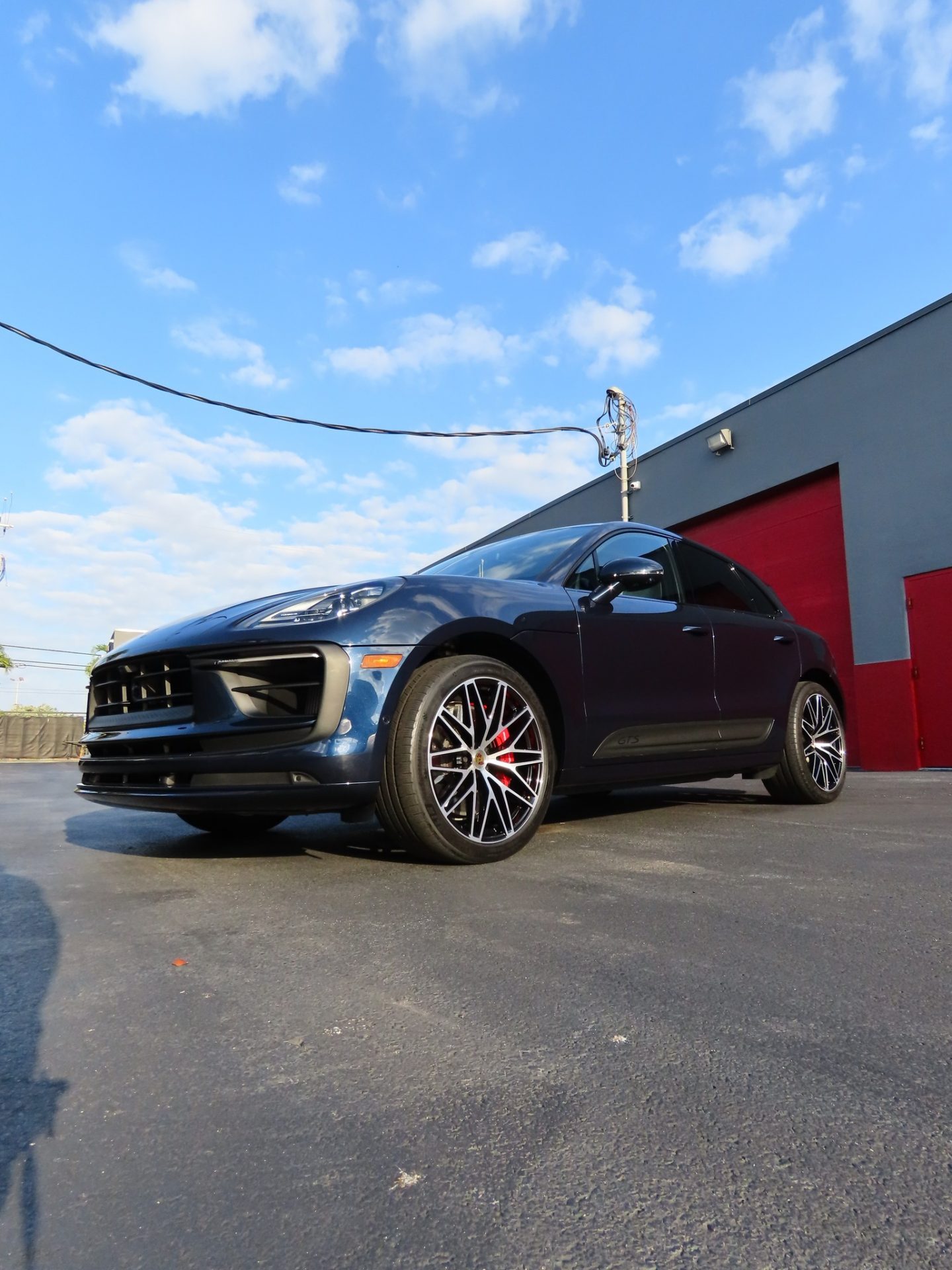
If a vehicle arrives with fresh paint correction, approach the glass as if it has an invisible film of oils and micro-dust, because it probably does. Add an extra alcohol pass, focus longer on the A-pillar felt, and re-clean after any heat shrinking. When the shop offers ceramic coating on the paint, we mask nearby glass trims during coating application and cure, because many coatings bead and run when warmed, and those beads love to hide in window seals. That is a prep problem for future you unless you catch it today.
A brief checklist you can tape to the cart
- Control dust: floor damp, vents closed, covers placed. Clean exterior glass first, then interior with tint-safe products. Inspect edges, chips, defrosters, sensors, and document. Detail seals and sweeps, then dry thoroughly. Verify patterns and top edges, then stage clean tools only.
Five items, in that order, prevent 90 percent of headaches. Most re-dos trace back to skipping one.
Measuring twice on odd shapes and sunstrips
Quarter windows on crossovers often have compound curves that trick your eye. They look flat until you try to lay a pre-cut, and fingers appear along the diagonal. A paper pattern or test piece pays off. On windshields where a sunstrip is allowed and requested, mask the top line with low-tack tape, measure from the frit to the legal limit, and use the tape as a visual guide. Pre-clean that upper area extra well, because headliner fibers like to drop when you work that high.
If the car carries driver-assistance cameras near the top, respect the clear zone. Many camera pods rely on an exact light transmission to function. Some films interfere. When in doubt, leave a clean cutout defined by the camera housing, and round the corners to avoid stress points where the film could lift.
When to pause or decline
Prep reveals deal-breakers sometimes. If the windshield has a crack that runs into the frit area and you are heat shrinking near it, the heat can make it grow. If the rear defroster is already half-dead and crumbles under a light wipe, an honest conversation comes next. Tint hides none of this. Better to pause and repair first, or decline gracefully, than to film over problems and own them later.
Similarly, if the interior has sticky residues, heavy smoke film, or biohazards that your cleaning cannot safely remove in a reasonable time, the responsible move is to schedule a deeper interior detail first. Window tinting rewards a clean cabin. It punishes shortcuts.
The payoff you can see and the problems you never meet
A well prepped car tints smoothly. Squeegee strokes feel frictionless, edges lay tight, and the final wipe reveals no trapped dust lanes. Months later, you still do not see specks marching along the top edge or lifting at a stubborn corner. The owner might not notice the absence of issues, but you do. Good prep is the difference between a film that just sits on glass and a film that becomes part of it.
When you stack each step, from environment control to measured templates and careful edge work, you stop fighting the job. You start guiding it. That is where quality lives, and it is why shops that blend disciplines, like those that also handle paint protection film, paint correction, and ceramic coating, often bring a higher standard to tint prep. The habits transfer. The finish shows it.